
Scuf Omega PS5 Controller Review for Competitive Players
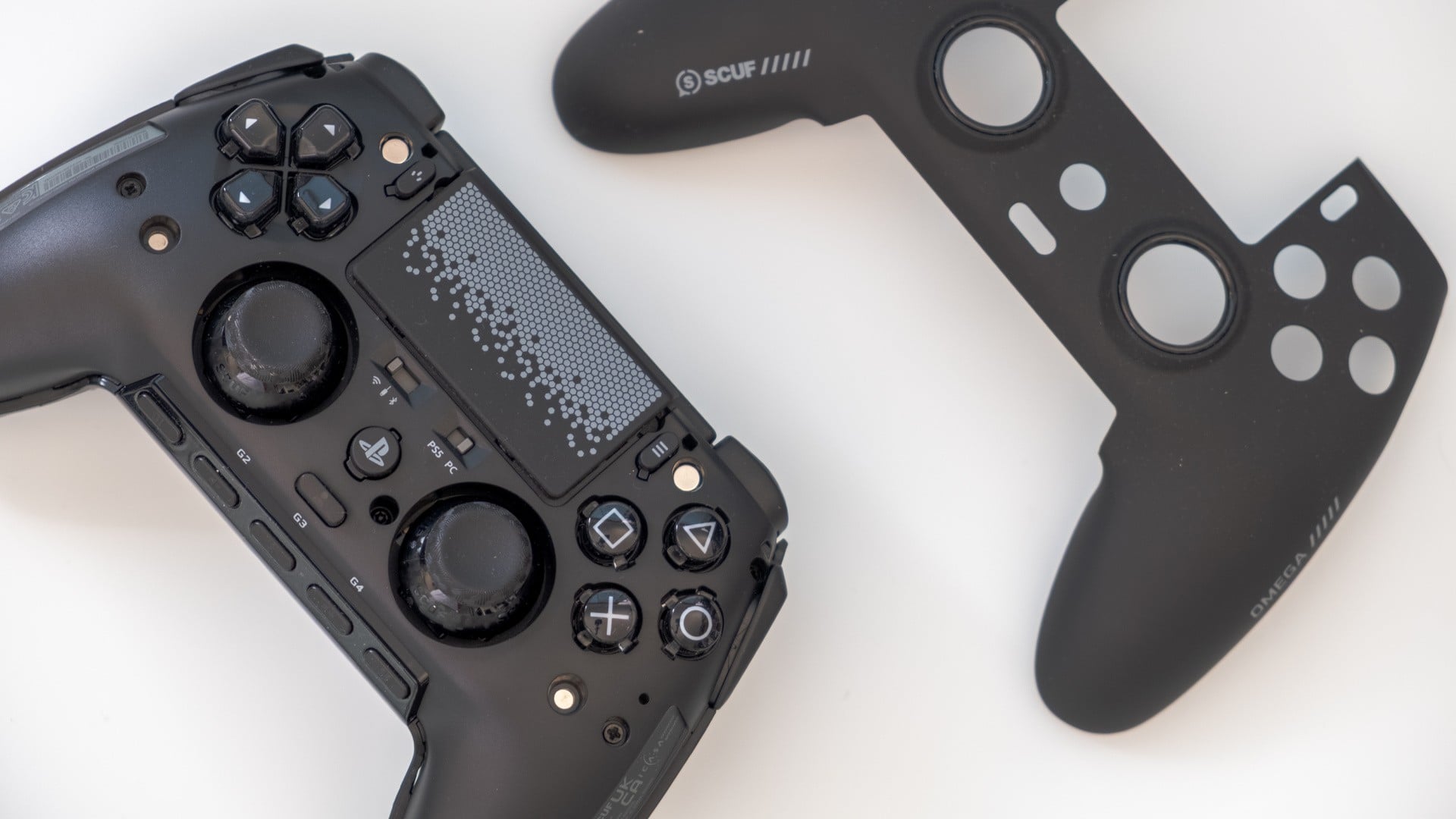
The journey to creating a truly exceptional third-party controller for the PlayStation 5 is less about raw functionality and more about pure, glorious usability. It’s a fascinating balancing act where manufacturers must decide whether to stick to basic specs or embrace radical customization.
The dilemma for companies like Corsair or Razer is clear: they need to start somewhere. The foundation must be Sony’s official DualSense controller, from which they can strip away unnecessary components and layer on their own unique features. The real challenge lies in making that process worthwhile, justifying the cost of a premium product by layering on advanced functionality.
This pursuit shifts the focus onto innovation. When you start with a £60 base price and factor in licensing fees and proprietary additions, achieving a premium price point requires delivering features that simply enhance the competitive edge for serious gamers.
Enter hardware that defines this trend. The SCUF Omega controller stands as a prime example of turning base equipment into an uncompromising gaming tool. It isn’t just another peripheral; it’s a meticulously engineered device designed for performance.
The Omega achieves its premium status through a relentless focus on competitive advantage. It incorporates drift-resistant TMR sticks, ensuring pinpoint accuracy during intense gameplay, along with 11 additional mappable inputs. For the tactile enthusiast, features like hair triggers and mechanical microswitches add a layer of physical feedback that traditional controllers simply cannot match.
But the Omega’s genius extends beyond the PS5 ecosystem. It is designed to be a truly versatile device, seamlessly bridging console gaming with PC demands. Gamers can ratchet up the responsiveness on PC by adjusting the polling rate from 250Hz all the way to 1000Hz, offering an unparalleled level of reaction time.
Furthermore, this hardware remains flexible, connecting effortlessly via Bluetooth to mobile devices, ensuring that high-performance control isn’t confined to the living room. The result is a controller that successfully balances raw power, exquisite feel, and limitless adaptability—proving that the greatest trick in gaming peripheral design is not functionality, but ultimate usability.
Buy on Amazon
Credit