
Rockstar Killed Midnight Club 5 Because It Wasn’t as Big as GTA Ex-Designer
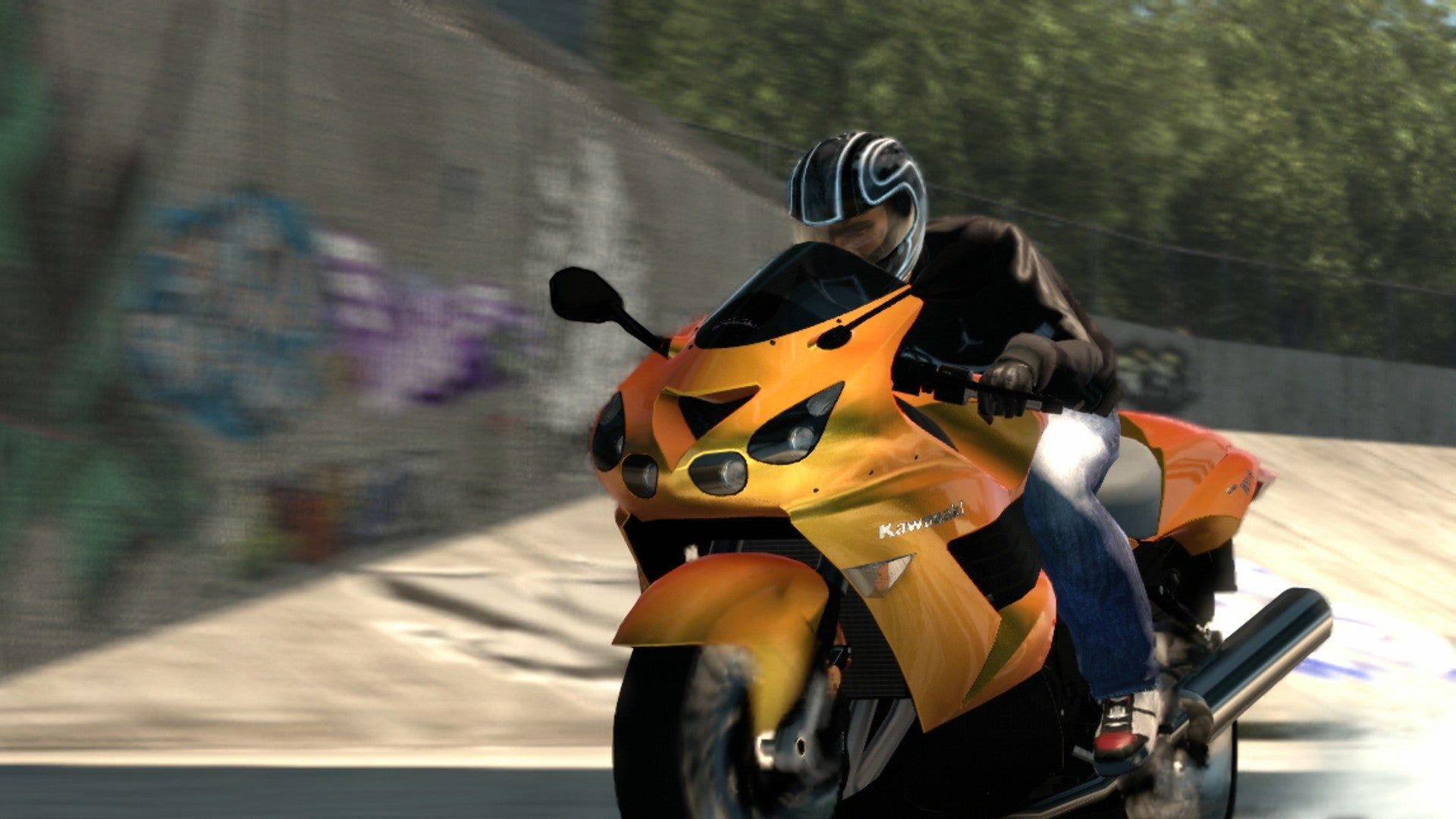
The world of gaming is often defined by mega-franchises, and few studios command the same cultural weight as Rockstar Games. Yet, even within this giant, a story of creative friction and fading relevance exists—a tale of how a beloved racing series was sidelined in favor of the undisputed king, Grand Theft Auto.
For former Rockstar senior designer Kris Roberts, the fate of the Midnight Club franchise provides a poignant example of that dynamic. Working within the studio environment, Roberts witnessed how internal conflicts dictated creative outcomes. Following the success of games like Red Dead Redemption, there was an opportunity to develop a fifth entry for Midnight Club, even with prototypes for new locations like London in development.
However, that momentum stalled. The plug was pulled during the crucial development phase of the next racing title due to what Roberts described as a “non-trivial conflict” between the teams operating within Rockstar San Diego and the central operations led by Rockstar New York. This tension often boiled down to perception: the feeling that the racing series simply did not command the same stature or accolade as its behemoth counterpart, GTA.
Roberts noted the frustrating reality: “The perception was we never got the accolades or the reception,” he explained. The internal messaging felt dismissive—a sense of being a “red-headed stepchild project” while the main franchise received all the fanfare and recognition. Although Midnight Club had successfully kept players engaged compared to rivals like Need for Speed and Burnout, that engagement wasn’t enough to secure the studio’s priority.
The eventual cancellation of Midnight Club 5 sent a clear signal: the franchise was likely finished. This decision prompted remaining staff to pivot their focus entirely toward Rockstar’s other massive projects, such as Max Payne remakes developed by Remedy, or the ongoing saga of the Red Dead series.
This experience highlights a recurring concern among fans: the fear that Rockstar has entered a creative rut, relying too heavily on sequels. After the massive success of Grand Theft Auto 5, many observers worry that the studio will remain trapped in a loop of GTA and Red Dead games, stifling the chance to introduce more unique, smaller-scale experiences, like those seen in titles such as Bully or LA Noire.
As Rockstar looks toward the future following GTA 6, the door for creative reinvention is wide open. Whether they will choose to revisit dormant franchises themselves or embrace entirely new directions remains to be seen, but the story of Midnight Club serves as a reminder that even in giant entertainment empires, internal politics and the pursuit of recognition can shape what comes next.
Buy on Amazon
Credit