
Pocketpair builds its own Palworld-like survival game
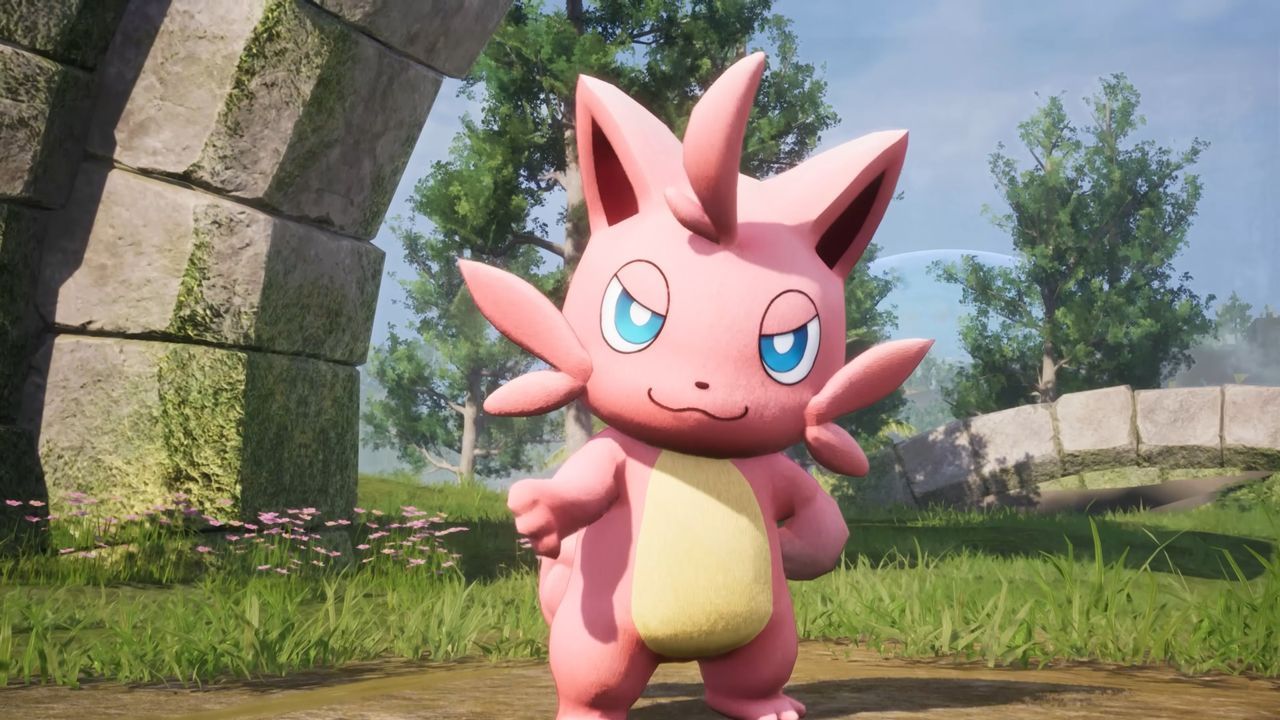
In the cutthroat world of video games, maintaining a healthy perspective can be an art form. Developers are constantly fighting for player attention and market share, creating an environment where intense competition is the norm.
This dynamic is particularly noticeable in genres that thrive on exploration and collection. Take, for example, the phenomenon surrounding Palworld, a game that has sparked massive interest and significant industry buzz.
When new titles emerge, they often draw comparisons to established behemoths. A recent spin-off, TemTem: Pioneers, for instance, brought in deeper crafting and resource management elements, offering a Pokémon-esque adventure rooted in survival mechanics.
Naturally, some observers noted surface-level similarities between the two titles. This led to discussions about whether one game was merely a competitor or another facet of the same creative movement.
This sparked a debate, with some treating the new release as a direct Palworld rival. However, the perspective from the creators themselves offered a refreshing counterpoint to the toxicity that often surrounds industry rivalry.
John ‘Bucky’ Buckley, head of publishing and communications at Pocketpair, firmly dismissed the notion of rivalry. He stated clearly that there is no need to see other games as threats. Instead, he emphasized a more positive outlook: “TemTem are not our rivals. We respect all developers and their games! We’re all just making games for fun!!”
This sentiment reflects a broader truth about game development—that genuine passion often supersedes competitive animosity. Buckley noted that when not promoting his own projects, he focuses on the games he genuinely loves, encouraging others to pursue their own creative endeavors.
The relationship between these games is best viewed as distinct rather than oppositional. While there may be overlapping thematic ideas, each title has cultivated its own unique community and fan base built over years of development.
Ultimately, the health of the gaming landscape lies not in trying to define rivals, but in appreciating the diversity of creativity. By treating these games as separate experiences, fans are better served, and developers can continue focusing on the joy of making games.
Buy on Amazon
Credit