
Silver Pines looks like 90s Alan Wake preview
Key Preview Takeaways:
- The unique visual style is instantly appealing.
- The ’90s-style adventure-meets-survival-horror gameplay makes it feel unique in 2026.
- Monster variety is lacking in the short, early-game demo we played.
The landscape of video games is constantly churning out new titles, but sometimes, a game manages to grab your attention not just with novelty, but with a deep, unsettling sense of atmosphere. Enter Silver Pines, a pixelated 2D survival horror that throws us directly into the unsettling, shadowy world of 1990s nostalgia, forcing us to confront creeping dread with a dose of retro charm.
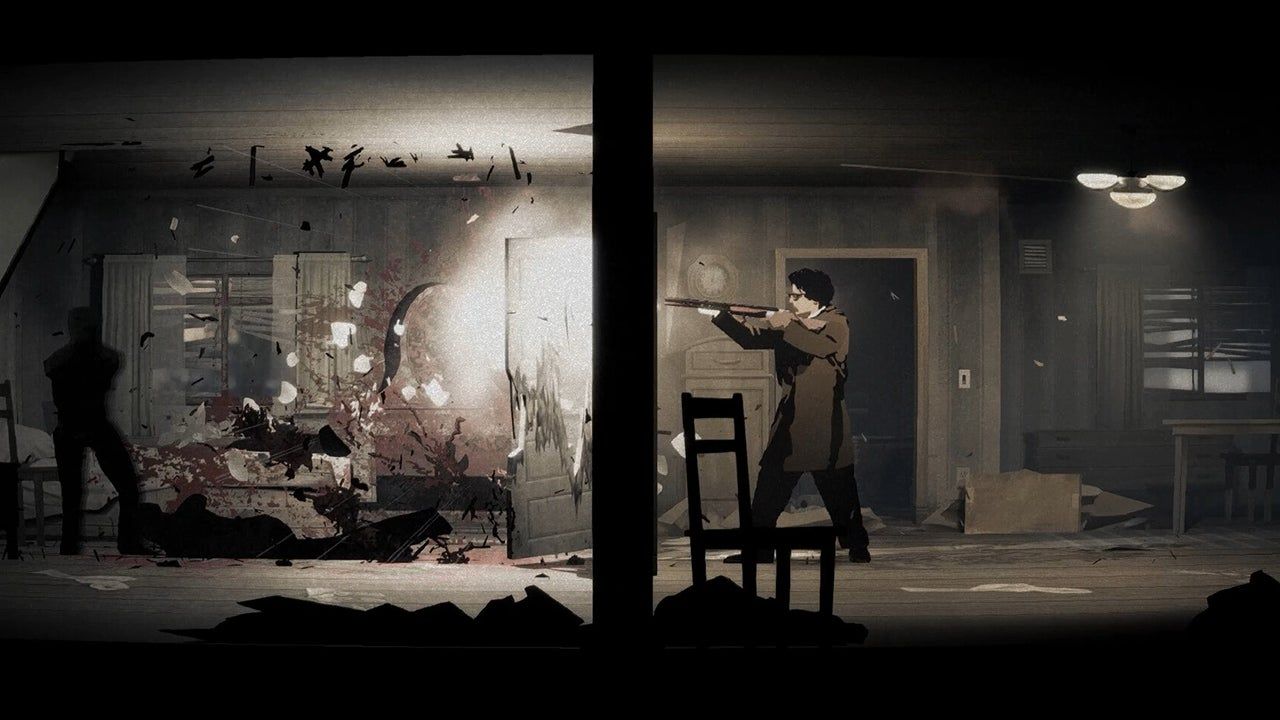
Silver Pines isn’t just a game; it feels like an episode of The X-Files or a twisted version of Twin Peaks, all wrapped up in the visual language of an old-school point-and-click adventure. Developer Wych Elm Games has masterfully blended the aesthetic of the ’90s with the high-tension mechanics of survival horror, delivering an experience that is instantly appealing and utterly unique in 2026.
From the moment you step into the derelict motel, the deceptively beautiful pixel art sets a tone that is immediately ominous. The visual style is fluid and expressive, filled with hair-raising details that suggest a truly Lynchian nightmare. Paired with off-putting and eerie voice acting and haunting musical scores, every darkened hallway feels more perilous, inviting you into a slow, creeping mystery where the environment itself is filled with dread.
Survival in Silver Pines is a meticulous exercise in scarcity. You are not a hero equipped with modern weaponry; you are a vulnerable survivor forced to ration precious resources. The tension stems from the realization that survival demands constant vigilance, pushing players to prioritize avoiding combat over engaging it.
The puzzles themselves are designed to heighten this anxiety. Players must navigate light puzzles—searching for circuit breakers, using keys and cards to unlock restricted areas—all while constantly looking over their shoulder. These simple hurdles become panic-inducing moments when a ghastly figure sneaks up just as you fumble with an inventory or make a mistake.
When the inevitable confrontation arises, the combat system further emphasizes the vulnerability. Swinging a box cutter or firing firearms with limited ammo is a frustrating experience. Enemies are often faster than the player, and cooldowns are long, ensuring that the tension is maintained through slow, deliberate survival rather than quick, satisfying action. This intentional friction—the frustration of not having time to repair a weapon or heal before being struck—is precisely what builds a powerful sense of horror.
While the atmosphere is impeccable, some early explorations suggest a desire for more variety in the lurking threats. In the initial sections, the game featured humanoid and bug-like entities with predictable patterns. While this is a minor note in a short demo, it leaves room for speculation about the full scope of monsters Silver Pines holds in reserve.
Ultimately, the true genius of Silver Pines lies in its resource management. The game forces you to obsess over scarcity. Ammo is rare, melee weapons need immediate repair with duct tape, and healing items are scarce. Even the precious coins you find must be used not just for aid, but to save your progress, adding a layer of high-stakes suspense reminiscent of classic titles like Resident Evil.
This focus on survival, combined with the unsettling narrative and stunning design, makes Silver Pines a must-experience. It is a masterclass in creating dread through atmosphere and scarcity, and it leaves the player eager to dive deeper into the muck of madness.
Buy on Amazon
Credit