
Tomb Raider: Legacy of Atlantis skill trees and a developer secret
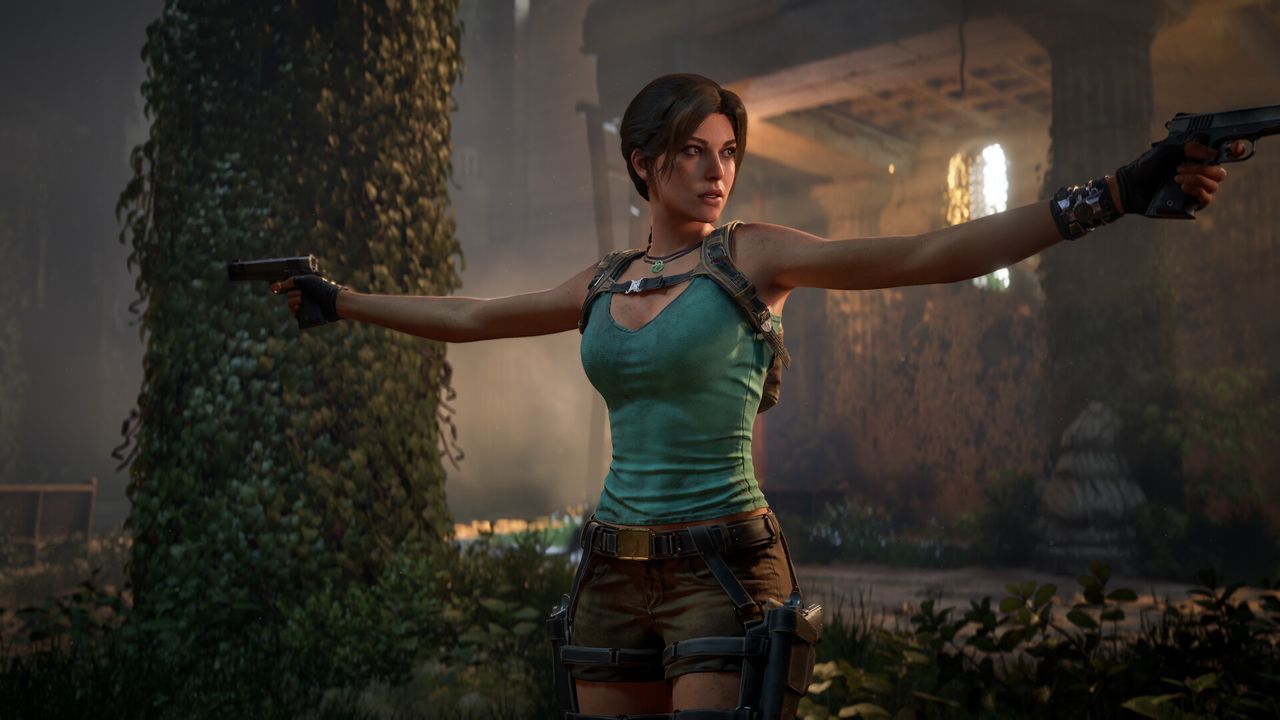
Reimagining the Legend: How Tomb Raider is Evolving the Classics
The highly anticipated remake of Tomb Raider: Legacy of Atlantis is moving beyond a simple homage. Developers at Crystal Dynamics and Flying Wild Hog have unveiled new gameplay mechanics that blend the classic adventure with modern RPG sensibilities, sparking both excitement and spirited debate among fans.
The goal isn’t just to recreate the 1996 classic; it’s to reimagine the iconic journey for a contemporary audience. New gameplay footage has showcased fresh mechanics designed to enhance the action and player agency. One notable addition is a system called “Focus,” which allows Lara to slow down time, enabling her to execute the signature wild flips and acrobatics that defined the original PlayStation title. This mechanic directly brings back the satisfying, high-risk maneuvers players remember from the PS1 era.
But the evolution doesn’t stop at movement. To deepen Lara’s experience, the remake incorporates elements drawn from the Survivor trilogy. Players will now engage with a skill tree and item crafting system, allowing Lara to develop specialized abilities and equip herself with new tools, much like she did in titles such as Tomb Raider (2013), Rise of the Tomb Raider, and Shadow of the Tomb Raider.
These significant changes have naturally drawn a mixed reaction from the community. Some players have voiced concerns, questioning whether introducing RPG elements makes sense for a veteran treasure hunter. The sentiment is that slapping new systems onto a game not originally designed for them can disrupt the core experience.
However, the developers have assured the community that player choice remains paramount. Design director Jason Epps emphasized that players will still have the freedom to embrace the classic aesthetic. For instance, players can choose to stick to the original dual pistols throughout the game if they prefer that iconic look.
This approach seems to prioritize the player’s enjoyment and familiarity while allowing for modern depth. It suggests a balance: honoring the nostalgia of the original while offering a richer, more customizable experience for those looking to explore the world of Tomb Raider today. The result is a game that respects its history while bravely charting a new course for the legendary heroine.
Buy on Amazon
Credit