
Star Citizen stream reveals 14 years of buggy reality fans don’t care
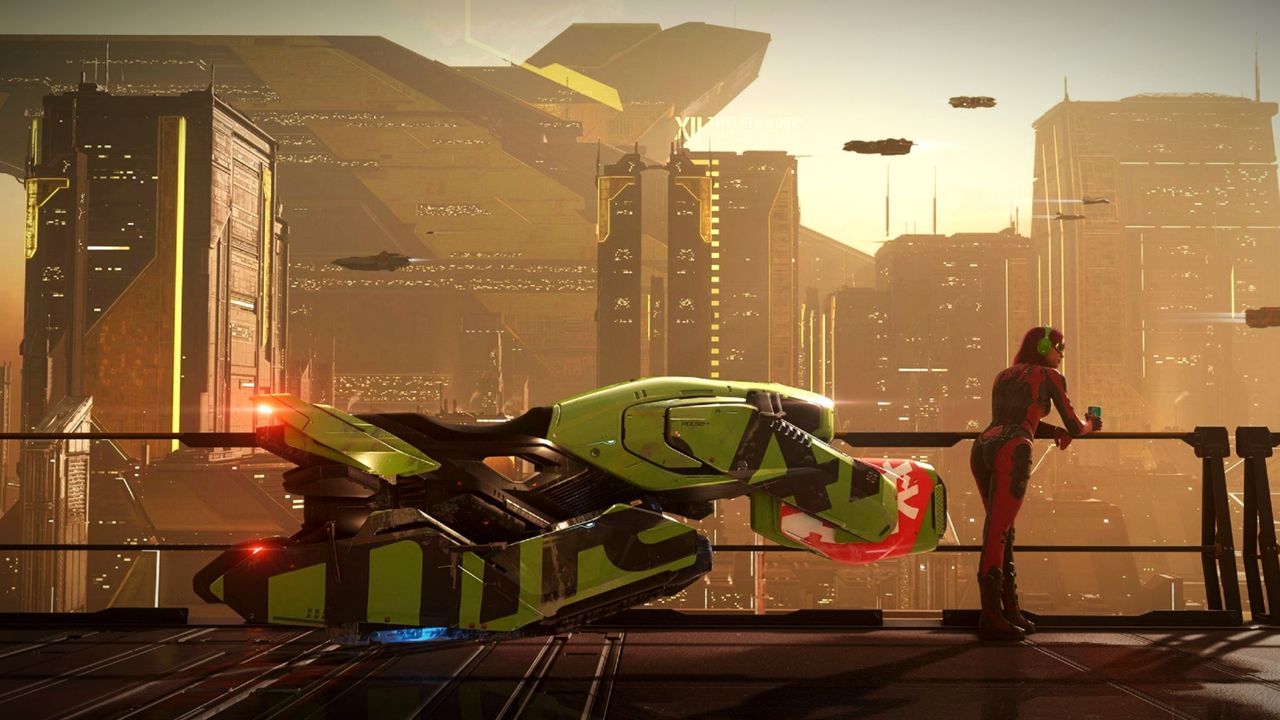
Fourteen years. A billion dollars. In the sprawling, often chaotic world of Star Citizen, the sheer scale of ambition is staggering. Yet, as the project continues its long, winding journey, the question lingers: how does a venture of this magnitude stack up against the reality of its development?
Since its initial reveal in 2012 by creator Chris Roberts, the project has been a constant source of high expectations and even higher controversy. Backed by massive crowdfunding and significant investment, the promise of an immersive multiplayer space game has outpaced the delivery of tangible, stable experiences. It has quickly become an infamous fixture online, a testament to the friction that can arise when dreams meet protracted development cycles.
The current friction has flared into the mainstream recently, following a live stream hosted by Cloud Imperium Games. What was intended as a showcase of progress unfortunately devolved into a spectacle of bugs and frustration. The broadcast provided a stark, unfiltered look at the project’s current state, leaving many viewers with a decidedly sour taste.
This public display quickly exposed underlying tensions within the development studio. The discontent among the developers seems palpable. There are reports of internal struggles, including moments where staff were unable to perform basic actions, and the use of private builds that, despite their isolation, were reportedly the most advanced versions available. This internal atmosphere suggested a level of discord that was far from harmonious.
The reaction from the community mirrored the studio’s internal struggles. Morale plummeted as fans watched the unfolding drama, with commentary quickly shifting from hopeful anticipation to outright skepticism. Phrases like “Limitless money and they still can’t get it right” circulated across forums, suggesting a deep-seated doubt about the studio’s ability to manage such a colossal undertaking.
The sentiment was crystallized on platforms like Reddit, where viewers dissected the chaotic stream, labeling it a “shit show” and suggesting that the development team needed a serious lesson. This collective reaction highlighted a growing sense of disillusionment—a feeling that the weight of massive funding and long delays had eroded the initial faith in the project.
It is difficult to reconcile the initial vision, which hoped Star Citizen would become “an event almost as important” as games like GTA 6, with the present reality. For many observers, the narrative now centers less on the future potential of the space giant and more on the stark, ongoing challenge of turning immense ambition into a cohesive, polished reality. The journey of Star Citizen remains a compelling, if frustrating, example of the high-stakes gamble inherent in creating truly massive, long-term digital worlds.
Buy on Amazon
Credit