Former PS head reveals how AAA games shut down Japan studio
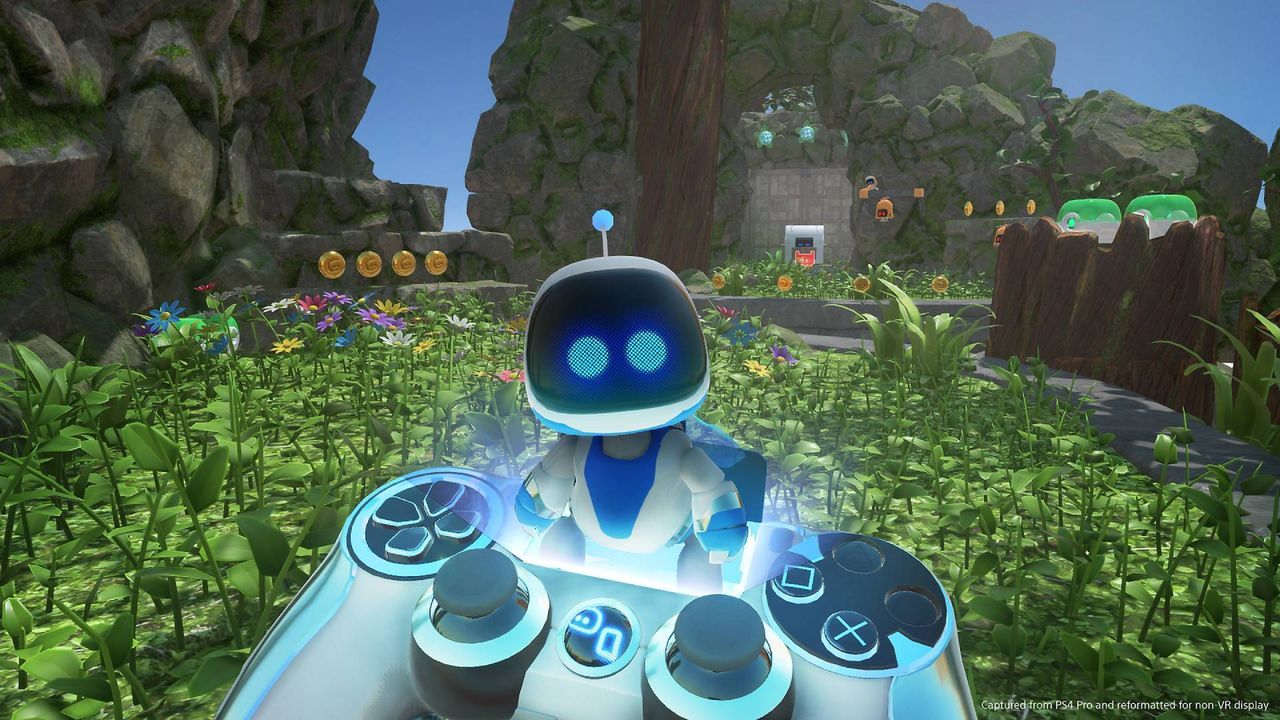
When a creative powerhouse like Japan Studio is shut down, it’s more than just a corporate decision—it’s the silencing of a unique vein of game development history. Former president of Sony Interactive Entertainment Worldwide Studios, Shuhei Yoshida, has shed light on this transition, explaining why the studio was dissolved in 2021: the games, while brilliant, didn’t deliver the sales needed to drive hardware momentum.
In a recent keynote address at the Computer Entertainment Developers Conference, Yoshida addressed the persistent public curiosity regarding PlayStation’s decision to close Japan Studio. He acknowledged that many players felt it was unbelievable, noting that the studio had produced an incredible catalog of creative and innovative titles.
Japan Studio is rightfully celebrated as the birthplace of some of PlayStation’s most iconic and imaginative experiences. From cinematic masterpieces like Shadow of the Colossus and Ape Escape to unique adventures such as Siren, Gravity Rush, and beloved franchises like Patapon, the studio nurtured talent that consistently delivered ingenious hooks and groundbreaking gameplay mechanics.
However, even with this remarkable creative output, Yoshida admitted the challenge of scaling those visions. As head of development, he wrestled with the difficulty of translating highly creative “AA” games into the massive AAA scope demanded by the PlayStation 4 and PS5 era. The focus shifted toward titles that could maximize hardware sales, such as God of War and Uncharted.
Yoshida’s rationale was clear: to drive console sales, Sony needed games that were in high demand commercially. He recognized the inherent difficulty for a specialized studio like Japan Studio to pivot successfully to this massive AAA scale while maintaining their unique creative vision.
Despite these commercial pressures, Yoshida urged the community to look beyond the quarterly numbers and remember the artists behind the creations. He issued a powerful call for fans to continue supporting the talented developers who worked at Japan Studio.
Instead of focusing solely on the past, he offered tangible ways for players to engage with the legacy. Yoshida encouraged fans to immerse themselves in other great games—suggesting that those who loved the spirit of Japan Studio should explore titles like Slitterhead and the latest from Ratatan, created by Hiroyuki Kotani.
Ultimately, the story of Japan Studio is a reminder that creativity often exists outside the lines of commerce. It serves as an enduring testament to the brilliance found in independent vision, urging us all to continue championing the developers who push the boundaries of what gaming can be.
Buy on Amazon
Credit