Testing Logan’s Death in Wolverine’s Motorcycle Sequence
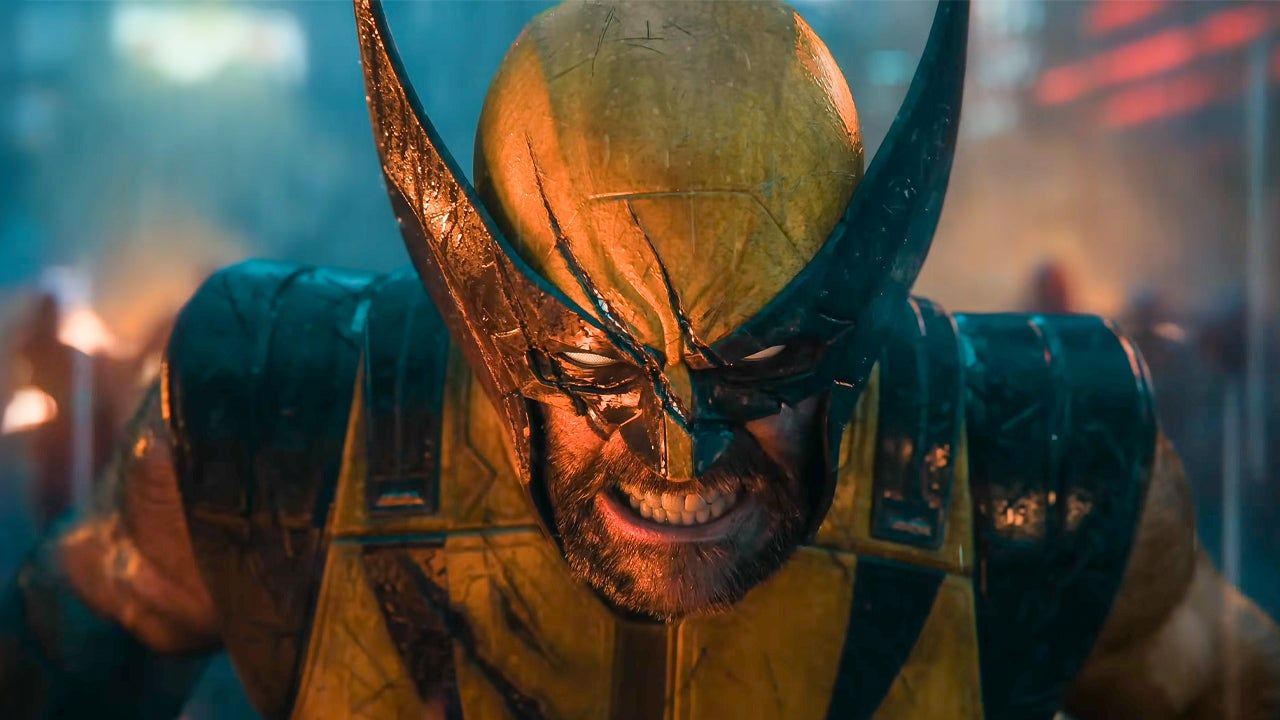
The Chase is On: How Marvel’s Wolverine Is Sparking a Social Media Storm
The launch of Insomniac’s Marvel’s Wolverine has immediately ignited a firestorm across social media, turning the highly anticipated superhero game into a hot-button topic for gamers. While the action is undeniably thrilling, the recent buzz has centered less on the combat and more on a specific sequence—a high-stakes motorcycle chase—that has exposed a fundamental debate about player agency and design choices.
Even before the game was released, players had voiced concerns about various aspects of the early footage. Critiques focused on the somewhat formulaic nature of the Sentinel boss fight, the use of anime voice actors for the X-Men universe, and the mechanics of the scent trail system, which some found overly reliant on hand-holding.
But the controversy reached a fever pitch when the game hit the streets, specifically concerning the high-octane sequence where Logan attempts to rescue captured mutants. Players watched with mounting frustration as they realized that the outcome of this critical chase felt less like a meaningful choice and more like a scripted event.
The central complaint revolved around the motorcycle sequence, where Logan must weave through traffic on a winding highway. Players discovered that even though Logan is desperately trying to save those trapped mutants, the player’s input over the bike felt almost irrelevant to the final outcome. Some players found that regardless of how they piloted the vehicle, Logan could survive the sequence, while others felt that the risk of death was detached from their control.
This tension quickly escalated into a heated debate online. Some users argued that the sequence was merely a set piece designed to move the narrative from point A to point B, suggesting that the lack of player control was a minor oversight in an otherwise enjoyable experience. Others, however, felt strongly that this lack of agency was a “total disgrace” and an unacceptable design choice.
The arguments ranged from technical critiques to philosophical discussions about game design. One segment of the community questioned the inclusion of conditional language, pointing out that the structure of the sequence implied a choice that didn’t actually exist. This led to sharp exchanges, with some users calling the mechanic ridiculous and others insisting that the outcome was predetermined.
The controversy highlights a broader point: while flashy combat and character development certainly make up the package, the seamless execution of moment-to-moment gameplay remains a source of intense scrutiny. It forces players to consider what truly matters in an action game—is it the visual spectacle, or the feeling of genuine control over the character’s fate?
Despite the social media noise, professional critics offered a measured assessment. IGN awarded the title a six out of 10, noting that while the character work is strong, the flashy combat tends to wear thin over time. As players continue to engage with Marvel’s Wolverine, the real test will be whether the game’s undeniable heart can overcome these intensely polarizing design debates.
Buy on Amazon
Credit