Lexar makes the world’s thinnest portable SSD by ditching the USB-C port
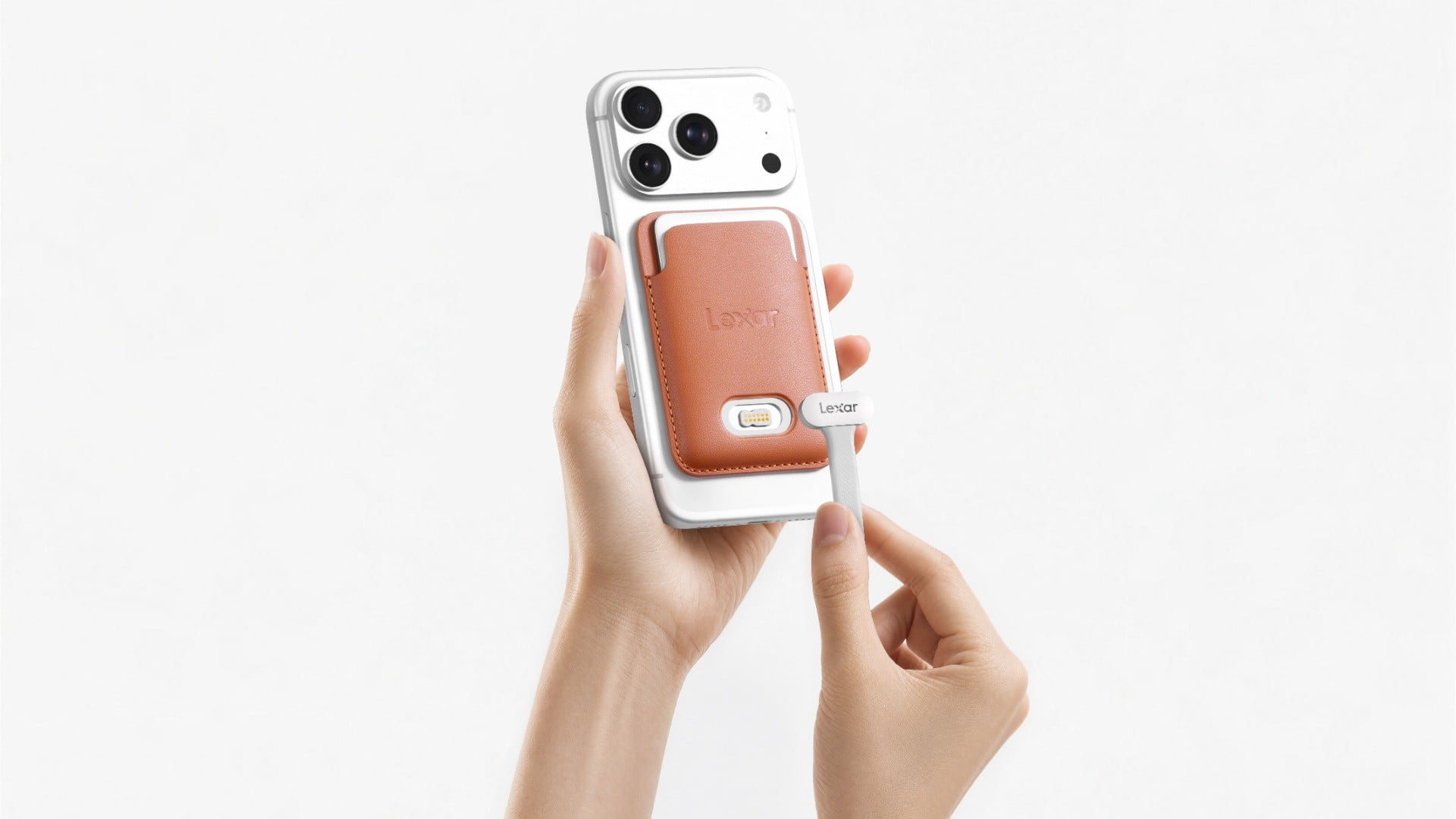
At the intersection of cutting-edge engineering and minimalist design, Lexar has just introduced a storage device that is less a drive and more a marvel of miniaturization: the Muse.
Unveiled recently at IFA in Berlin, the Muse sets a new benchmark for portable storage by claiming to be the world’s thinnest SSD. This device is meticulously engineered to be the ultimate, ultra-slim solution for modern mobile devices, designed to seamlessly integrate with recent iPhones and other phones that feature compatible magnetic accessory docking.
The sheer thinness of the Muse is what makes it a true engineering feat. At its thickest point, the device measures a mere 3.8mm, tapering down to just 1mm. This extreme thinness dictates a completely unique approach to connectivity, eliminating traditional, bulky ports.
Instead of relying on a standard USB-C plug, the Muse utilizes a clever magnetic pogo pin connection on its back. This ingenious mechanism allows the SSD to attach directly to a low-profile USB-C cable, sidestepping the need for the standard 2.4mm USB-C plug—a necessity that would simply not fit the tapered design.
While this magnetic docking solution offers remarkable portability and a sleek aesthetic, it introduces a fascinating trade-off. This innovative connection method, while brilliantly space-saving, sacrifices the generalized convenience of a standard USB-C drive, which typically works with a wide range of modern data cables.
This design choice suggests a focus on specialized, high-efficiency mobile connectivity, where extreme thinness and magnetic security trump broad compatibility. It pushes the boundaries of what portable storage can look like, offering a bizarre yet undeniably fascinating glimpse into the future of ultra-slim technology.
Credit