Gallipoli Battlefield Action and History
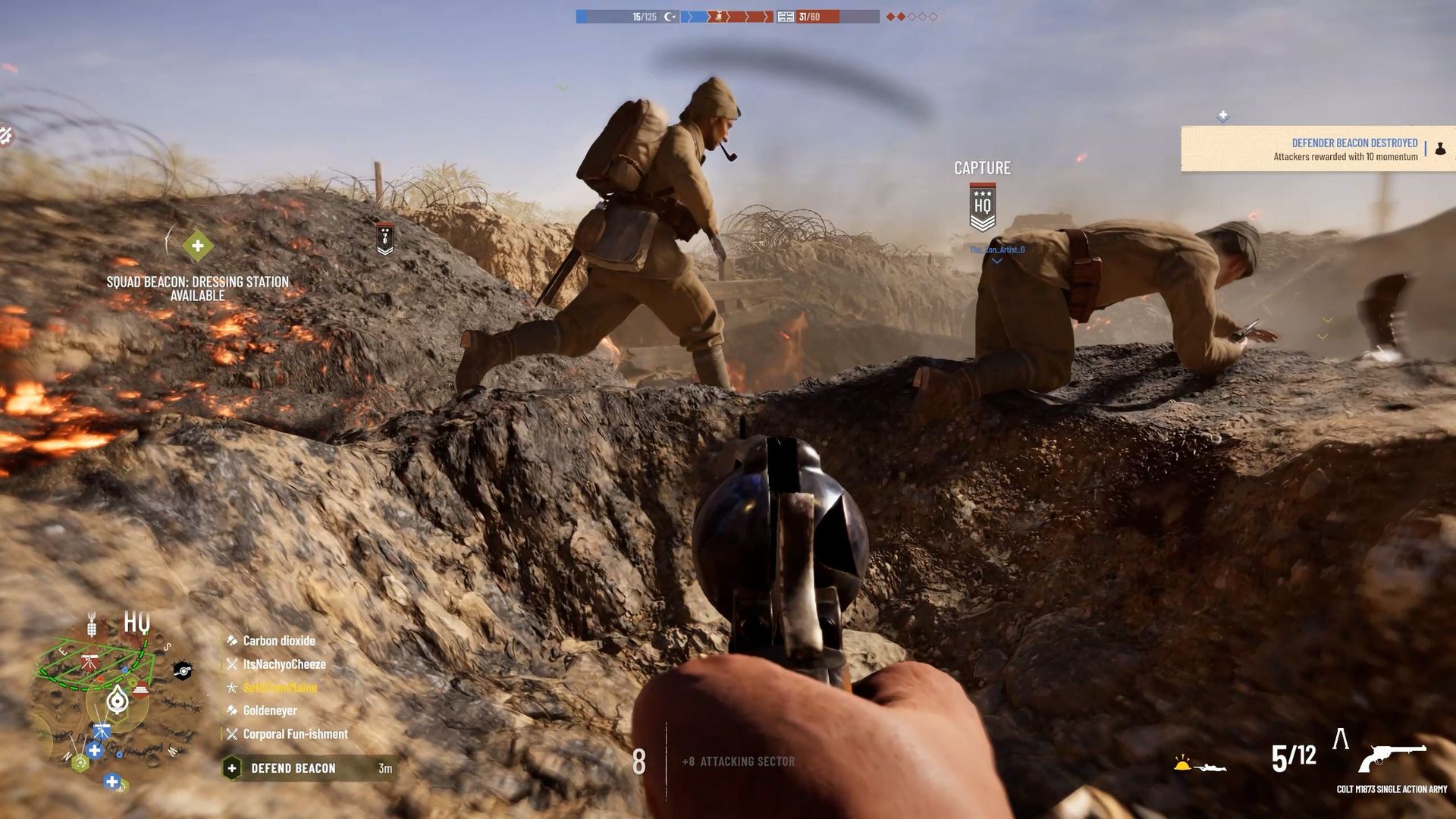
When you dive into a war game, you expect action. But what you get with BlackMill Games‘ Gallipoli is something far more profound: a visceral journey into the forgotten, chaotic reality of the Middle Eastern Front during World War I. This isn’t just another shooter; it’s an immersive experience that manages to blend historical grit with genuinely exciting, high-stakes gameplay.
Gallipoli is set on the Middle Eastern front, a theater of conflict often overlooked in mainstream history. Here, the conflict pits the lumbering might of the Ottoman Empire against the power of the British Empire. For those of us who gravitate toward the Western Front’s muddy trenches, exploring this front offers a fresh, deeply engaging perspective, inviting players to learn more about a pivotal, yet often undiscussed, chapter of the Great War.
The game masterfully captures the technological lag of the era. While the armies were thrusting themselves into meat grinders, the technology of war was racing ahead of strategy. This historical context is woven into the fabric of the gameplay, making every decision feel weighty and realistic. You aren’t just fighting; you are experiencing the era where warfighting technology was struggling to keep pace with the brutality unfolding on the ground.
One of the most compelling aspects of Gallipoli is how it handles weaponry and combat. Forget the Hollywood trope of soldiers instantly mastering their gear. The game emphasizes the slow, brutal reality of warfare. For instance, the machine gunners in Gallipoli aren’t just static positions; they have dynamic roles in the battle. Learning to utilize suppression and panic mechanics adds an entirely new layer of tactical depth. When a player is pinned down by relentless fire, the ability to experience a genuine moment of panic adds a visceral, immediate dimension to the experience, highlighting the terrifying reality of machine gun fire.
The realism extends to how weapons function. The game rejects the easy-to-use mechanics found in some modern shooters, opting instead for a more grounded, realistic feel. Rifles and pistols are not just buttons to press; their effectiveness is tied to range and material, demanding a more thoughtful approach to engagement. This focus on realism ensures that the chaos feels earned, not arbitrary.
Atmosphere is another triumph. The way dust affects the battlefield is a masterstroke of environmental storytelling. A sudden artillery barrage kicks up a haunting cloud of dust, obscuring vision and providing cover, perfectly encapsulating the ‘fog of war.’ This element adds tension, forcing players to navigate confusion and uncertainty, making every advance feel like a desperate struggle.
The class system further enhances this immersion, offering distinct roles that contribute meaningfully to the overall objective. Classes like the Stretcher Bearer, who focuses on healing and reviving, and the Ammo Bearer, who supports the squad with vital supplies, highlight the necessity of teamwork. Even the bomber, armed with makeshift explosive devices, adds a unique layer of chaotic engagement.
Perhaps the greatest success of Gallipoli lies in its player base. The game fosters an environment where players focus on the experience rather than chasing fleeting objectives. Instead of a relentless deathmatch, the community embraces cooperative play, focusing on squad coordination and sound decision-making. Players are chill, collaborative, and genuinely enjoy the shared experience, allowing the historical nightmare of World War I to unfold in a way that is both incredibly brutal and wonderfully engaging.
Buy on Amazon
Credit