
How Ukraine’s Invasion Rewrote Metro 2039 Plans
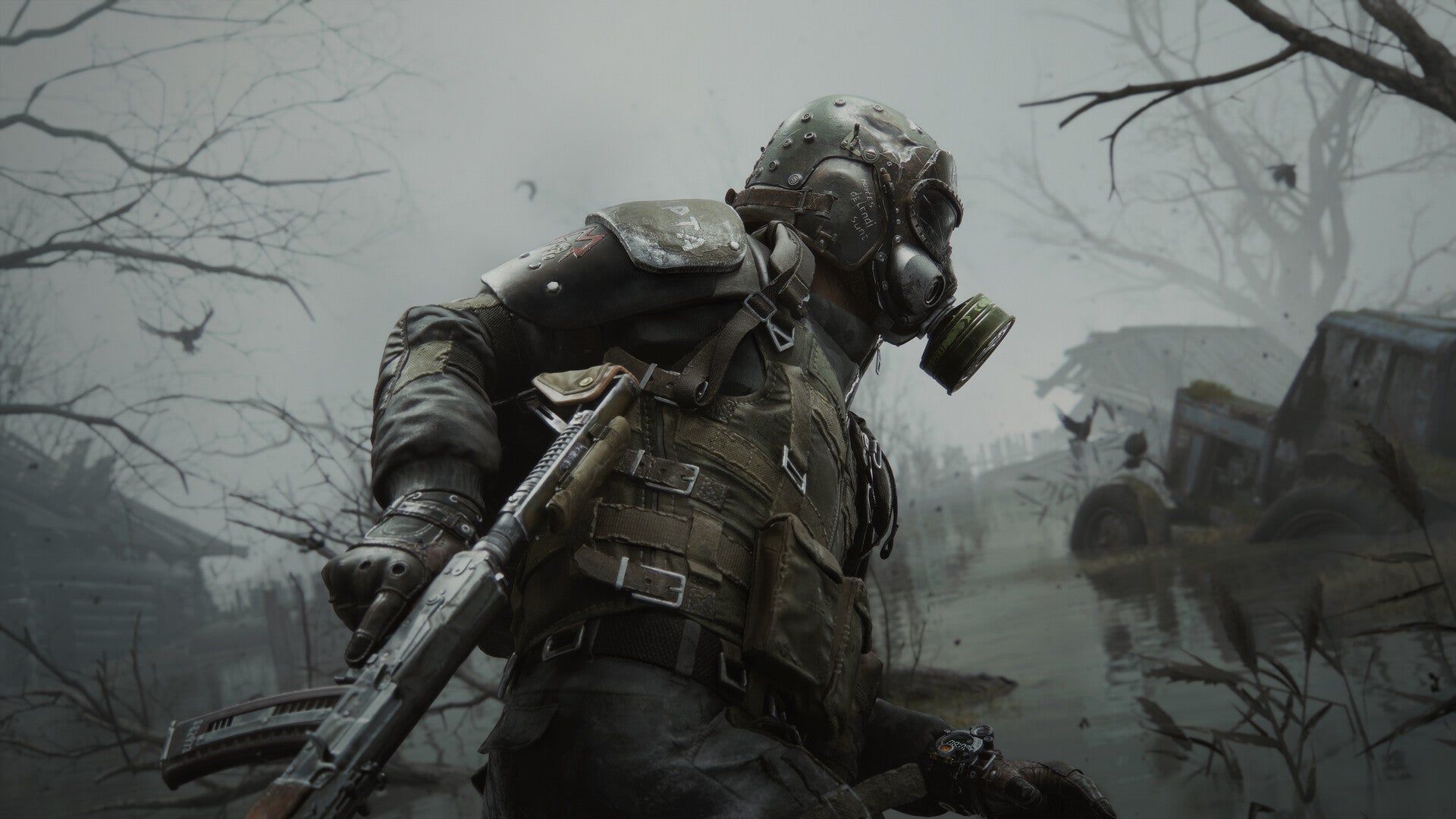
The world outside the game has changed, and the team behind the post-apocalyptic franchise knows it. After previewing the upcoming first-person shooter sequel, <Metro 2039>, developers from 4A Games offered a candid look at how the reality of the invasion of Ukraine reshaped their vision for the franchise.
The shift wasn’t just external; it fundamentally altered the team’s philosophy. Creative director Andriy “MLS” Shevchenko noted that the global events impacted the team’s way of thinking and understanding the world, automatically injecting new visions and philosophies into the game.
Executive producer Jon Bloch explained that this real-world conflict directly influenced the narrative. Previously, Metro games focused on the prevention of war; now, the focus had to pivot to examining the consequences of war—what happens when conflict directly reaches your doorstep. This necessitated a major change in storytelling, forcing the team to reassess what they wanted to communicate.
Co-creative director and audio lead Pavel Ulmer added that the nature of the Metro franchise simply became too close to reality, causing a dramatic change in perception. The franchise transitioned from a purely fictional setting to something that reflects a tangible, painful reality, creating a powerful contrast between the before and after.
Pivoting to the game itself, the development team applied these lessons to <Metro 2039> by focusing heavily on detail. The guiding principle became the elimination of empty spaces. The goal is now the density of everything: the density of objects, sound, animation, and detail.
This focus manifested in a complete rebuild of the rendering, pushing forward with ray tracing to provide a more realistic picture. The team aimed to maximize the amount of dynamic content and assets they could fit into the world while still maintaining high performance across all platforms.
Ultimately, the design philosophy aimed to make every area look cool, natural, and believable, rather than simply reserving spectacle for cutscenes.
For new players approaching the series, the team offers some specific advice. MLS Shevchenko encourages players to explore, suggesting that discovering the environment will lead to many interesting things.
However, the team also stressed the importance of patience. Jon Bloch emphasized that Metro is a slow burn. While fast-paced action sequences exist, the core experience is designed for observation and contemplation. Players are encouraged to spend time absorbing the story and the atmosphere, making the experience more meaningful.
Ulmer specifically advised against rushing. He suggested reserving sprinting only for genuine threats, arguing that the atmosphere and sound—the things that make Metro compelling—are best absorbed at a slower pace. It is, in essence, a movie designed to be experienced, not rushed through.
Buy on Amazon
Credit