Lenovo spec hints at cheaper gaming rigs
When component shortages, squeezed demand, and rising prices have made high-end technology feel like a luxury item, there is a technological revolution quietly happening behind the scenes. And if you want to see serious price drops in the gaming laptop market over the next few years, look no further than the screen itself.
The game-changer is not just about pixel density or refresh rates; it’s about manufacturing innovation. The secret weapon driving down costs lies in a radical shift in how OLED displays are created—specifically, moving from traditional evaporation to Inkjet Printing.
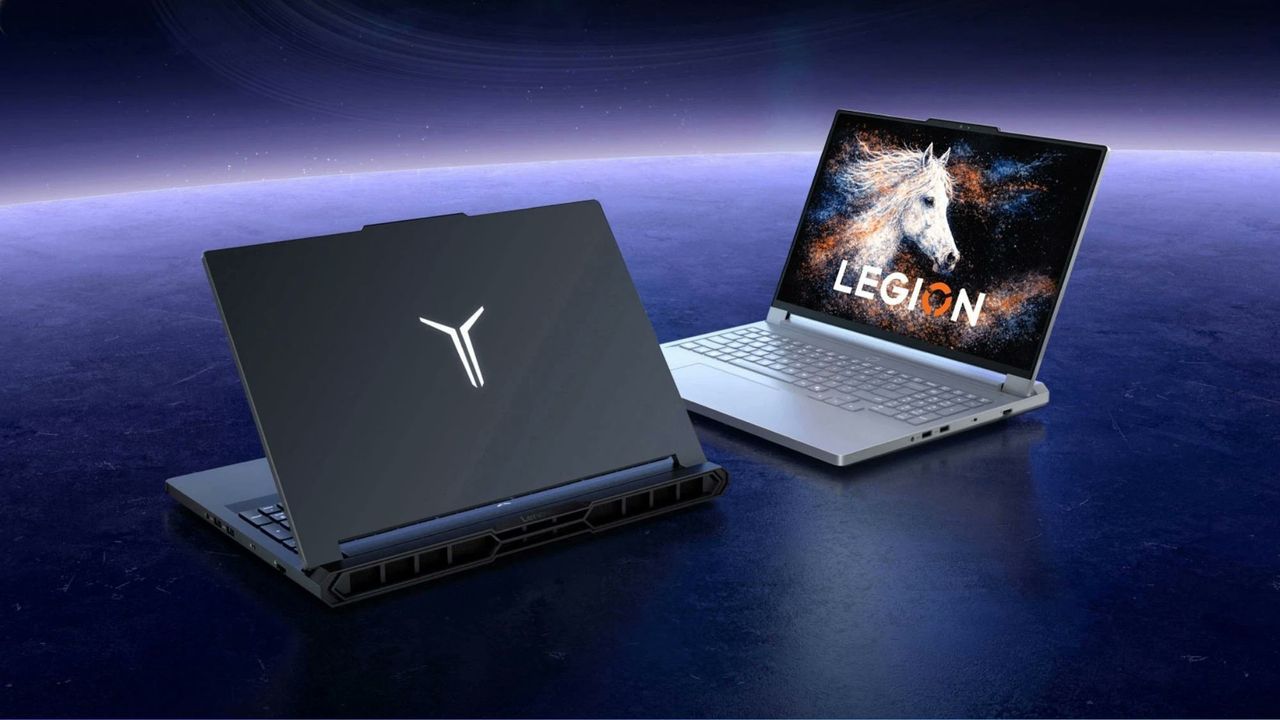
This new approach is already making waves. Take the recent launch of the Lenovo Legion R9000P, which introduced the world’s first Inkjet-Printed OLED display on a gaming laptop. While the panel boasts a rapid 240Hz refresh rate, the real excitement isn’t just the speed; it’s the manufacturing process that makes this achievement possible.
Traditional OLED production relies on a Vacuum Thermal Evaporation process. In this method, materials are funneled through a vacuum chamber and splattered over a fine metal mask to precisely position the red, green, and blue light-emitting diodes. This process is inherently complex, expensive, and results in significant material waste.
The Inkjet Printing method flips this model entirely. Instead of wasting materials on a stencil, this technique combines the necessary elements into a soluble liquid solution that is precisely positioned exactly where it needs to be. Think of it less like spray painting over a cut-out and more like printing a picture—a vastly more efficient way to position every element.
This fundamental change in manufacturing efficiency translates directly to the bottom line. Industry estimates suggest that Inkjet Printing could slash OLED notebook panel manufacturing costs by approximately 30 to 35% earlier this year, offering a massive opportunity for cost reduction across the board.
Major players are already embracing this shift. Companies like TCL CSOT have begun mass-producing Inkjet-Printed OLEDs, kicking off their Gen 5.5 production line in 2024, demonstrating that this technology is moving rapidly from laboratory innovation to commercial reality.
This trend isn’t new either. Lenovo has previously shown an appetite for value by integrating OLED into its gaming lines, with previous models like the Legion 5 Gen 10 offering a surprisingly affordable OLED display, even if some early iterations faced minor glare issues.
Ultimately, this technological leap promises more than just cheaper laptops; it signals an era where cutting-edge visual technology can be delivered at a price point that makes premium gaming experiences accessible to everyone.
Buy on Amazon
Credit