Refusing GameStop’s gaming trade-in demand
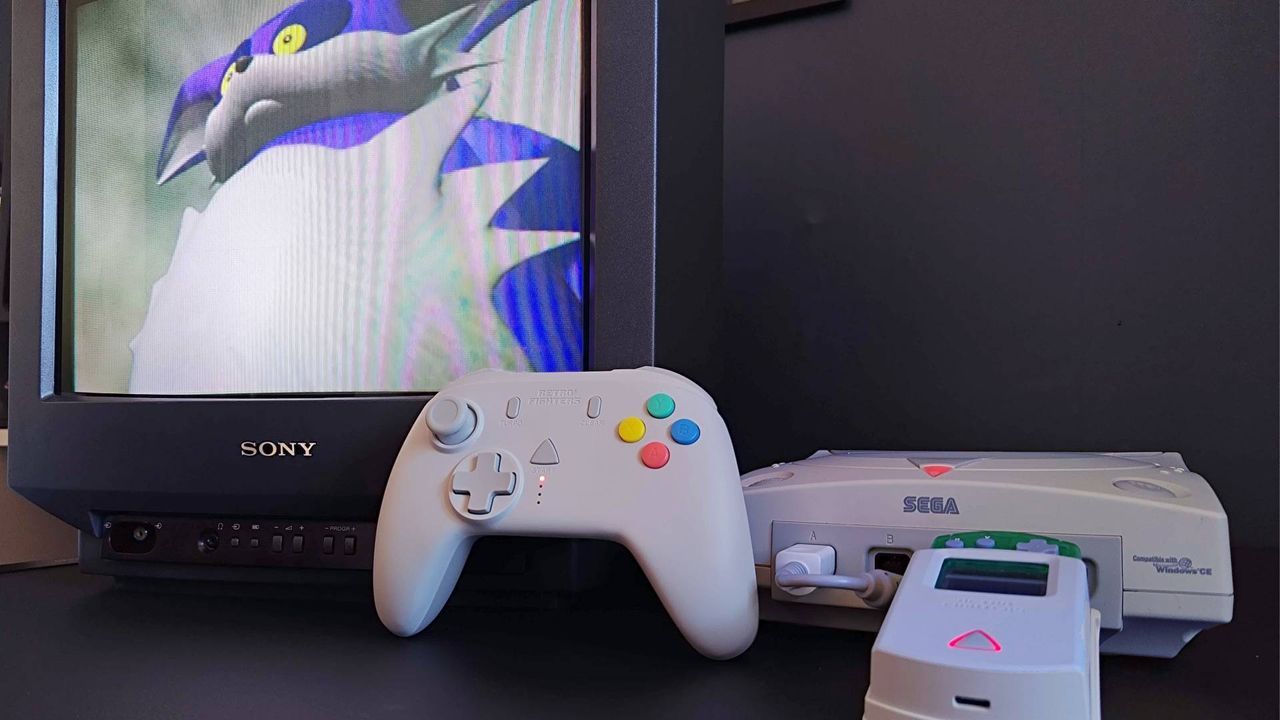
For decades, GameStop has been the undisputed hub for retro gaming, operating a system built on trade-ins and bartering. But lately, when you walk into the store, you might find yourself confronted by signage that feels less like a genuine offer and more like a marketing ploy: “Trade in gaming history.” It’s time to pause and examine what this trade-in culture is actually doing to the world of classic consoles.
The premise is simple: GameStop offers to take valuable retro systems, like Nintendo Wii controllers or original copies of Final Fantasy VII, in exchange for store credit or cash. While trade-ins are a familiar mechanism in retail, the specific pitch targeting classic gaming history raises some serious questions about value and preservation.
The real friction point emerges when you consider the market rates. A Dreamcast console, for example, might be offered for a credit of up to $70 or $49 cash. Yet, when you look at what that same system sells for on secondary markets like eBay, the discrepancy becomes glaringly obvious. This structure allows the retailer to acquire items for a fraction of their actual worth while simultaneously reselling them at a premium, creating a potentially exploitative dynamic.
This practice creates a specific kind of trap. It appeals to players who might be hesitant about investing in modern hardware, leading them to part with cherished systems that could offer a richer, more tactile gaming experience than many of the newest digital platforms. It suggests that the nostalgia of the past is simply inventory waiting to be liquidated.
It is crucial to remember that retro gaming is far from a relic of the past. These classic systems don’t just hold history; they offer a unique, refreshing experience. Unlike systems pushing toward an entirely digital future, retro consoles allow you to dive directly into physical games, offering an engaging and distinct mode of play.
Instead of viewing these consoles as items to be traded away, consider them as portals to some of the greatest adventures ever made. If you are looking to reconnect with those classic experiences, the real opportunity lies not in handing over your history, but in investing in the tools that enhance it. This means looking into modern options, such as high-quality retro upscalers and advanced wireless controllers that allow you to enjoy gaming history with modern performance and convenience.
The true value of gaming history isn’t in a warehouse; it’s in a functional setup. By upgrading your connection methods and peripherals, you ensure that the legacy of classic games remains accessible, playable, and ready for the next generation of adventurers.
Buy on Amazon
Credit