
Stellar Blade CEO defends AI music video for Evie’s creation
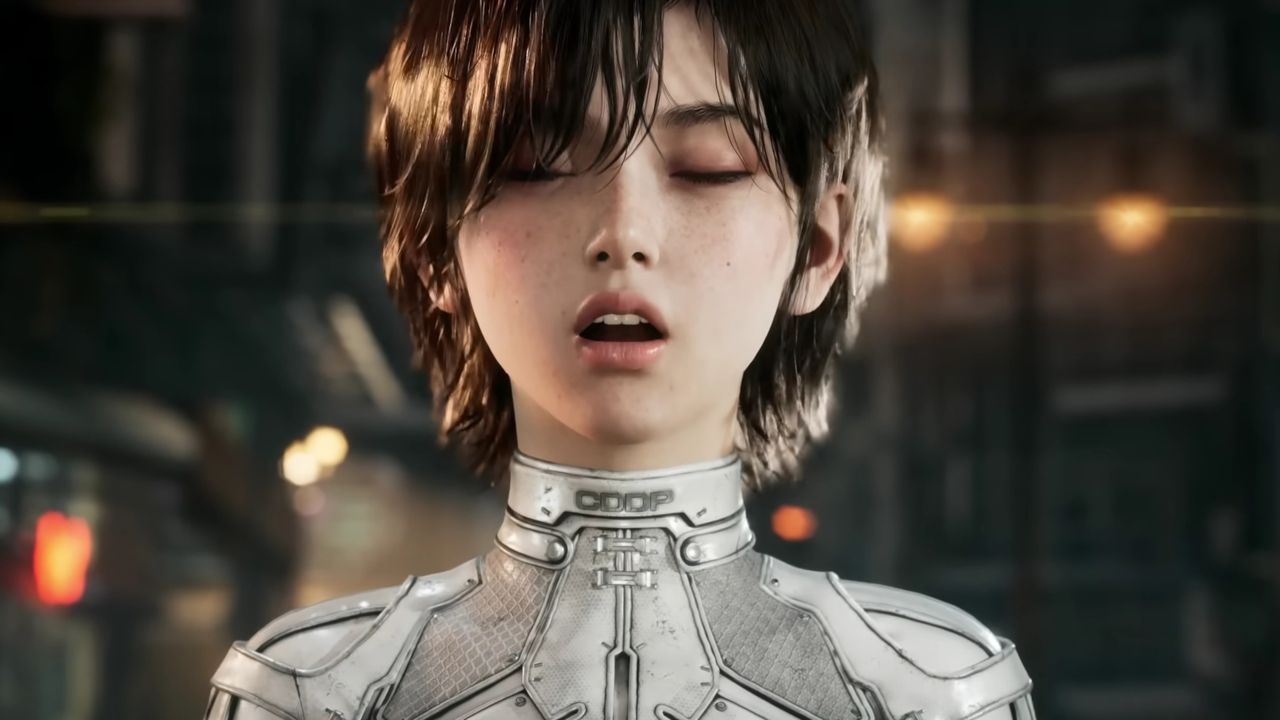
The use of generative artificial intelligence has become a flashpoint in the creative world, often leading to passionate debates about authorship and labor. This tension was put on full display when Shift Up, the developer behind the highly anticipated game Stellar Blade, released an official music video for the upcoming title utilizing AI technology.
The launch of the music video quickly ignited a wave of backlash among fans who felt the use of AI was a slap in the face to human artists and creators. The reaction highlighted a core philosophical question: when does technological convenience cross the line into devaluing human craftsmanship?
In response to the widespread criticism, Kim Hyung Tae, the CEO of Shift Up, stepped forward to clarify the process behind the video. He addressed questions about relying on the company’s actual workforce versus AI tools, explaining that the central character, Evie, was not generated from scratch by a machine.
“Evie, the character at the heart of this video, was created from head to toe by our talented artists and modelers through more than a year of dedicated work,” he stated. Kim elaborated that the AI’s role was not creation, but rendering and presentation. It presented designs and data built upon the craftsmanship established by the team.
This explanation suggests that Shift Up developed its own specialized AI tool, feeding it human-created models and ideas to render the final content. This approach mirrors a growing trend among developers and publishers who are experimenting with creating in-house AI systems—essentially building their own custom tools for creative needs.
While the resulting clip sparked controversy, the studio’s CEO encouraged viewers to view the Stellar Blade: Blood Rain clip through the lens of meshing human creativity and artificial intelligence. He sought an understanding that acknowledges both the input of human skill and the capabilities of the technology employed.
The discussion touches upon broader ethical concerns regarding how labor is deployed and valued in the digital age. Even when content is derived from manmade sources, the underlying mechanism involves resource-intensive technology, prompting questions about where value lies.
Despite the friction generated by the AI application, the lead developer maintains a forward-looking perspective on the role of technology in the game industry. He views AI as an essential tool for South Korean developers to compete effectively with major studios in the United States and China, emphasizing the need for government support in adopting this necessary technological advancement. The conversation over the future of digital creation is clearly just beginning.
Buy on Amazon
Credit