
Soulslike dev admits people hate AI slop and questions visual effort
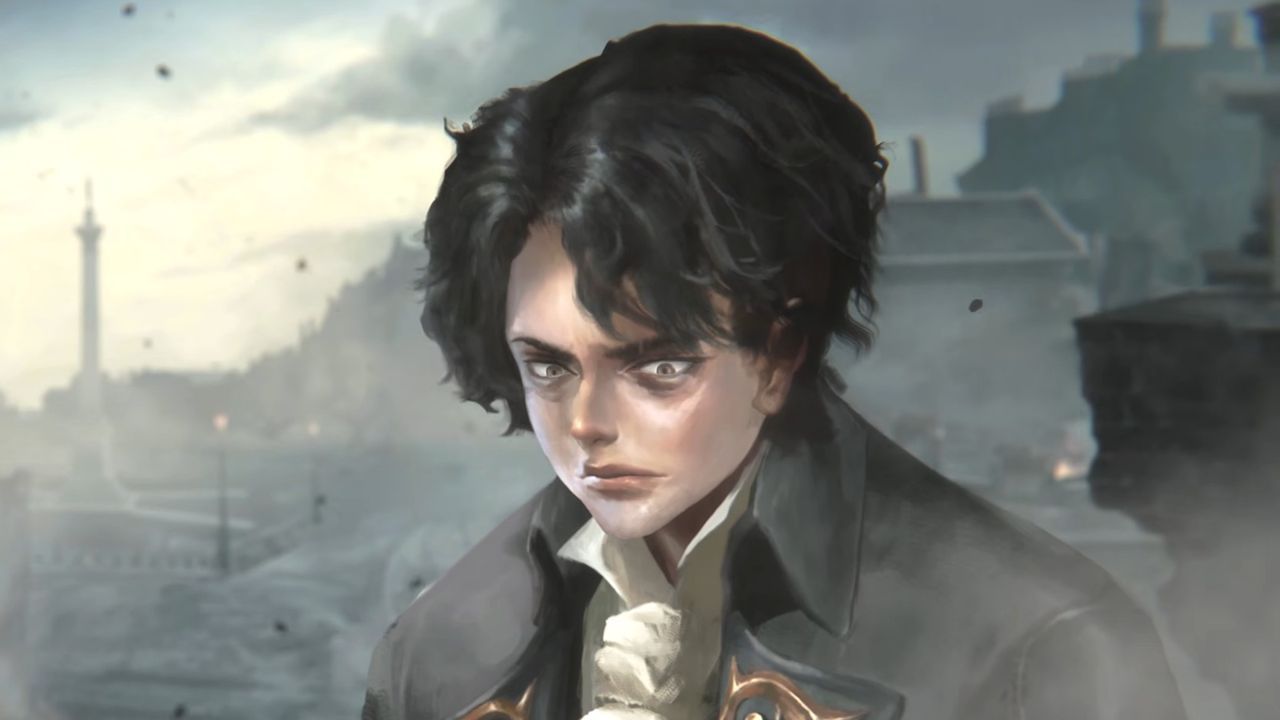
The AI Cutscene Conundrum: How Vapor World is Wrestling with Its Own Creative Code
The world of Soulslike platformers is buzzing, and at the center of the excitement is Vapor World: Over the Mind, a game that promised a twisted, challenging world and Sekiro-like combat. With over 100,000 Steam wishlists waiting for release, anticipation was high. But beneath the hype, a much bigger story was unfolding: the messy, often bewildering reality of using generative AI to craft the game’s narrative and visual spectacle.
When the game launched in Early Access on August 18, the focus quickly shifted from the gameplay mechanics to the game’s presentation. The controversy centered around the AI-generated cutscenes and voices. While developers released information about their use of AI for content creation, user feedback immediately highlighted that the results were not subtle. As one reviewer noted, the AI presence was so obvious that it actively ruined the intended experience, turning what should have been immersive storytelling into an unsettling distraction.
The director, Young Kim, stepped into the spotlight to address the fallout. He acknowledged that while he embraced AI to reach creative expressions his existing resources couldn’t handle, he admitted he severely underestimated the public’s reaction to the technology. “If someone asked me what I think about using AI, the honest answer is that I would have to think about it for a long time,” Kim explained. He admitted that the shift to AI-generated content, intended to streamline production, resulted in something that felt like “slop” to many players.
This admission sparked a wider conversation about the role of generative AI in game development. It raises a crucial question: is the pursuit of higher fidelity and complexity worth navigating the artistic compromises that come with using AI? Some developers argue that using AI is an unavoidable necessity for small teams aiming for certain scope and complexity bars, even if it demands a careful reckoning with player expectations.
Ultimately, the team recognized that their choice, though motivated by ambition, had caused friction. The solution wasn’t to dismiss the technology, but to own the error. Instead of letting the AI presence define the game, the team decided to pivot. They are actively removing all AI-generated cutscenes and replacing them entirely with their own original content. Remarkably, the in-game versions of these scenes already exist, allowing them to swiftly make the necessary replacements.
The takeaway from Vapor World is a powerful lesson for the industry: tools are merely instruments. The fault doesn’t lie with the technology itself, but with the team’s judgment in applying it. As developers move forward, the focus must remain on crafting compelling experiences, ensuring that the artistry and substance of the game, rather than the tools used to create it, remains the undisputed centerpiece.
Buy on Amazon
Credit